How To Protect Outdoor Pipes During Cold Southern Highlands Winters
Cold Southern Highlands winters can put exposed plumbing at risk of freezing, cracking and bursting. Insulating vulnerable pipes, repairing existing leaks and checking outdoor taps before temperatures drop can help prevent water damage and unexpected repairs.
Knowing which parts of your plumbing are most exposed is the first step. A licensed
plumber Southern Highlands homeowners trust can also inspect vulnerable pipework and recommend suitable protection before winter.
Why Southern Highlands Winters Are Hard on Your Pipes
Cold overnight temperatures and frosty mornings can be tough on household plumbing, particularly pipes located outside or in poorly protected areas.
When water inside a vulnerable pipe freezes, it expands. This can place pressure on the pipe, fittings and connections, potentially causing cracks or a burst pipe.
Damage may not become obvious immediately. A pipe can develop a split while frozen, with the leak only becoming apparent once temperatures rise, the ice thaws and normal water flow returns.
Existing plumbing problems can increase the risk. Ageing pipes, small leaks, deteriorated fittings and damaged insulation should be addressed before colder conditions arrive.
Booking regular
plumbing maintenance can help identify vulnerable plumbing before winter exposes an existing weakness.
Why Outdoor Pipes Are Especially Vulnerable
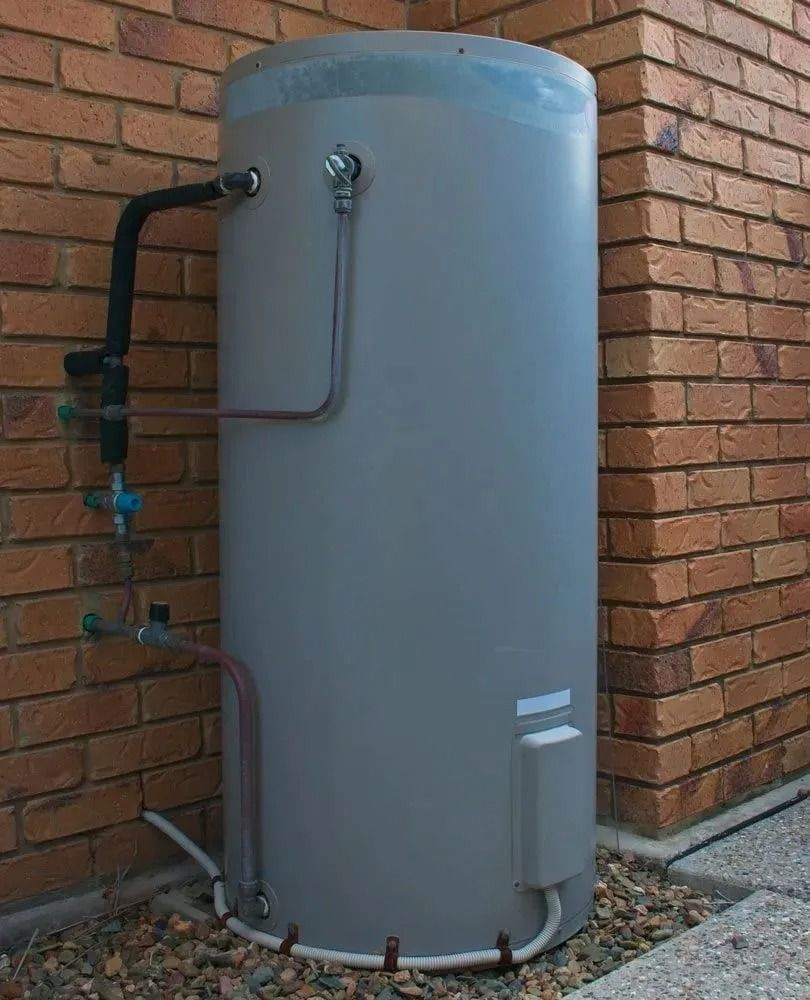
Indoor plumbing benefits from the protection of your home's walls, ceilings and internal temperatures. Outdoor pipes can be directly exposed to cold air, frost and wind.
Areas worth checking include:
- Pipes running along external walls
- Outdoor taps and connecting pipework
- Pipes around garages, sheds and workshops
- Garden and irrigation plumbing
- Pipework in poorly insulated spaces
- Sections with damaged or missing insulation.
Location matters too. A pipe exposed to cold conditions for hours may be more vulnerable than one protected by the building.
Before winter, walk around your property and identify visible outdoor plumbing. It is also worth locating your main water shut-off valve now, rather than trying to find it for the first time when a pipe is leaking.
What Damage Frost and Cold Weather Can Cause
Frozen pipes can cause more than a temporary loss of water. Expansion and pressure within the plumbing can damage pipes, fittings and connections, potentially resulting in leaks once the frozen section thaws.
Cold-weather plumbing problems can include:
- Cracked or split pipes
- Damaged fittings
- Leaking outdoor taps
- Reduced or stopped water flow
- Burst pipes
- Water damage around the property.
For example: an exposed pipe freezes overnight and develops a small split. While it remains frozen, there may be little visible water. Later, the ice thaws and water begins escaping through the damaged section.
After particularly cold nights, watch for unusual changes in water pressure, unexplained wet areas or reduced flow from taps.
Winter is also a sensible time to check your
hot water systems. If your system already has problems, addressing them before the coldest weather can help avoid an inconvenient winter breakdown.
How to Protect Your Exposed Outdoor Pipes
Outdoor pipe protection starts with finding exposed plumbing and dealing with existing problems before temperatures fall.
How should outdoor pipes be insulated?
Suitable pipe insulation creates a barrier between the plumbing and cold outside conditions. Pay particular attention to exposed sections and pipes running through areas with limited protection.
Check existing insulation for gaps, deterioration or sections that have moved out of position. Insulation should also be suitable for the pipe and outdoor environment.
Do not simply cover damaged plumbing. Leaking, cracked or deteriorated pipes should be assessed and repaired before insulation is installed.
What should you check before winter?
A simple pre-winter inspection can help uncover obvious problems:
- Identify exposed pipes. Check around external walls, garages, sheds and gardens.
- Inspect outdoor taps. Look for dripping, leaks or damaged fittings.
- Check insulation. Replace deteriorated or missing protection where required.
- Look for existing leaks. Investigate unexplained moisture around outdoor plumbing.
- Find your shut-off valve. Make sure it remains accessible.
- Arrange repairs early. Do not leave known plumbing problems until the coldest part of winter.
These checks are especially worthwhile for older properties or homes that have experienced cold-weather plumbing problems before.
What to Do if a Pipe Freezes or Bursts
A sudden loss or significant reduction in water flow during very cold weather can indicate a frozen pipe. Avoid using an open flame or other unsafe methods to thaw it, as this can damage plumbing and create a fire risk.
If you suspect a frozen pipe, turn off the water supply if it is safe and practical and contact a licensed plumber for advice. The pipe may need to be inspected for damage before normal use resumes.
If a pipe has burst:
- Shut off the main water supply
- Keep away from wet electrical equipment or affected electrical areas
- Move belongings away from escaping water where safe
- Contact a plumber promptly
- Arrange electrical assistance if water has reached electrical systems.
A burst pipe can release significant amounts of water once normal flow returns. For urgent leaks and burst pipes,
The Plumbing & Drainage Co. provides
emergency plumbing assistance when immediate attention is required.
When to Call a Local Plumber
Some winter preparation can be handled by homeowners, such as visually checking exposed pipes and locating the main shut-off valve. Other problems require professional assessment and repair.
Contact a plumber if you notice:
- Cracked, corroded or damaged pipework
- Persistent outdoor leaks
- Unusually low or interrupted water flow
- Suspected frozen pipes
- A burst pipe
- Recurring winter plumbing problems.
A plumber can also inspect your outdoor pipework before winter and identify areas that may need repairs, insulation or additional protection.
The key takeaway is to prepare before the coldest conditions arrive. Identifying exposed pipes, fixing existing leaks and protecting vulnerable plumbing is much easier than dealing with a burst pipe on a freezing winter morning.
If you need help preparing your property for winter or dealing with a cold-weather plumbing problem,
contact
The Plumbing & Drainage Co. Our team can inspect vulnerable pipework, carry out necessary repairs and help keep your Southern Highlands home protected through winter.
FAQs About Protecting Outdoor Pipes in Winter
Can outdoor pipes freeze in the Southern Highlands?
Yes. Exposed pipes can be vulnerable during sufficiently cold conditions, particularly when they have little insulation or protection from the weather.
How can I protect outdoor pipes from freezing?
Check exposed plumbing before winter and make sure vulnerable pipes have appropriate insulation. Repair leaking taps, damaged fittings and deteriorated pipework rather than waiting for colder weather.
How do I know if a pipe has frozen?
A sudden reduction or loss of water flow during cold conditions can be a warning sign. If you suspect a frozen pipe, avoid using open flames to thaw it and contact a plumber if you are unsure how to proceed safely.
What should I do first if a pipe bursts?
Turn off your main water supply if it is safe to do so. Keep away from electrical hazards and contact a licensed plumber promptly to locate and repair the damage.
Should I have my plumbing checked before winter?
A pre-winter inspection can be useful if your property has exposed, ageing or previously troublesome plumbing. It provides an opportunity to address leaks, damaged fittings and vulnerable pipes before colder conditions arrive.